
Clinical AI
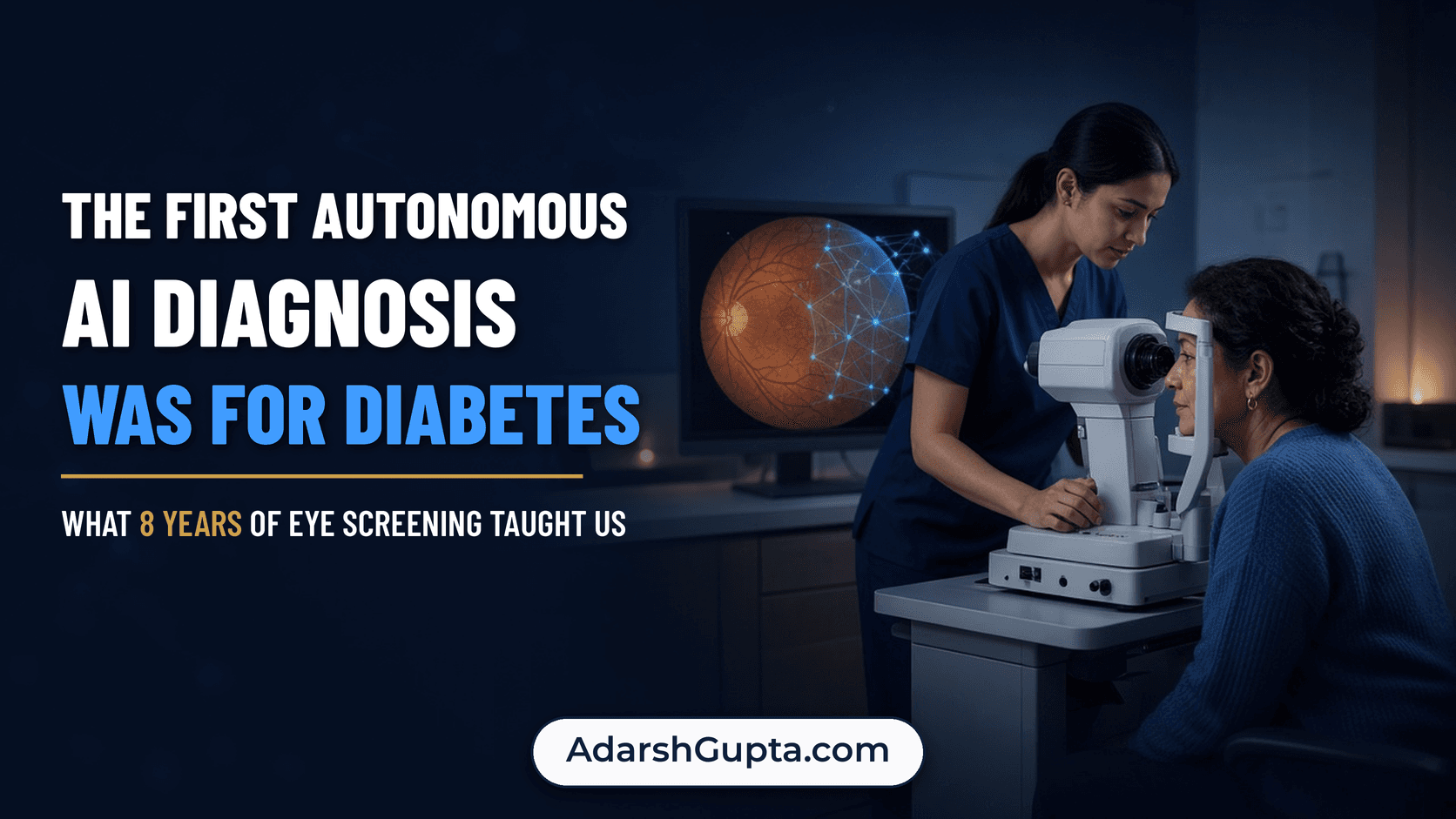
The First Autonomous AI Diagnosis: 8 Years of Lessons
In 2018 the FDA authorized the first AI to diagnose without a physician reading the result. What 8 years of diabetic eye screening teach us about autonomy.
November 14, 20269 min read
Articles
Practical thinking for teams building health AI—and clinicians learning to evaluate it. Model testing, evidence appraisal, safety boundaries, and the behaviors technology encourages.
In 2018 the FDA authorized the first AI to diagnose without a physician reading the result. What 8 years of diabetic eye screening teach us about autonomy.

A federal executive order now mandates that agencies call AI 'Super Intelligence.' The underlying algorithms, FDA clearances, and performance data have not changed. Here is why the terminology shift is a clinical risk.

Patients are disclosing symptoms, fears, and health history to AI that they have never told their physician. This creates a diagnostic blind spot — and a safety obligation for every AI tool that holds that information.
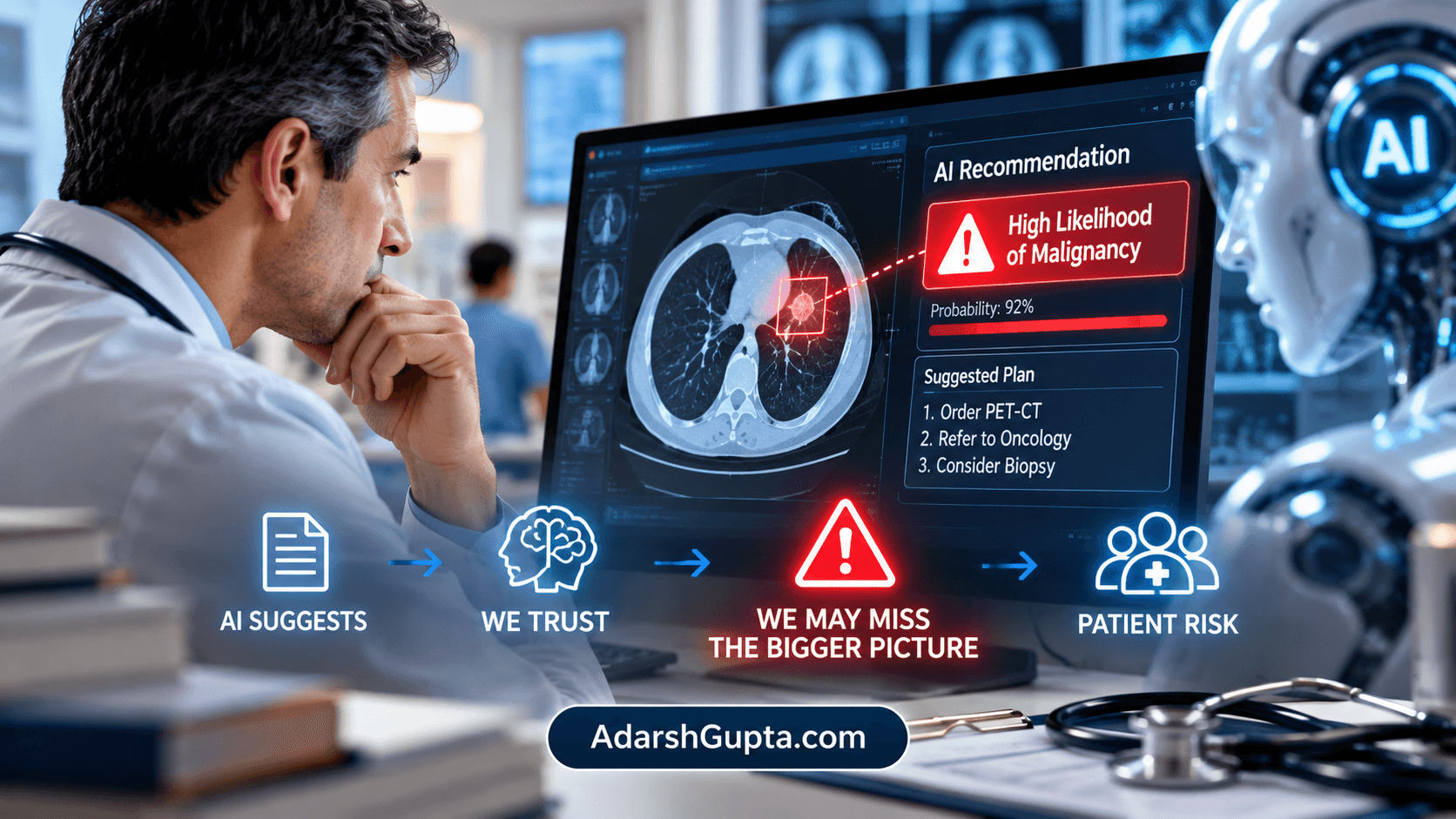
Automation bias in healthcare is rewiring how physicians think and decide. Here is what it is, why clinical AI accelerates it, and what to do before the habit sets.
An ambient AI scribe can free documentation minutes. The real question for clinicians and health systems is whether that time goes to the patient, the evening, or another visit.
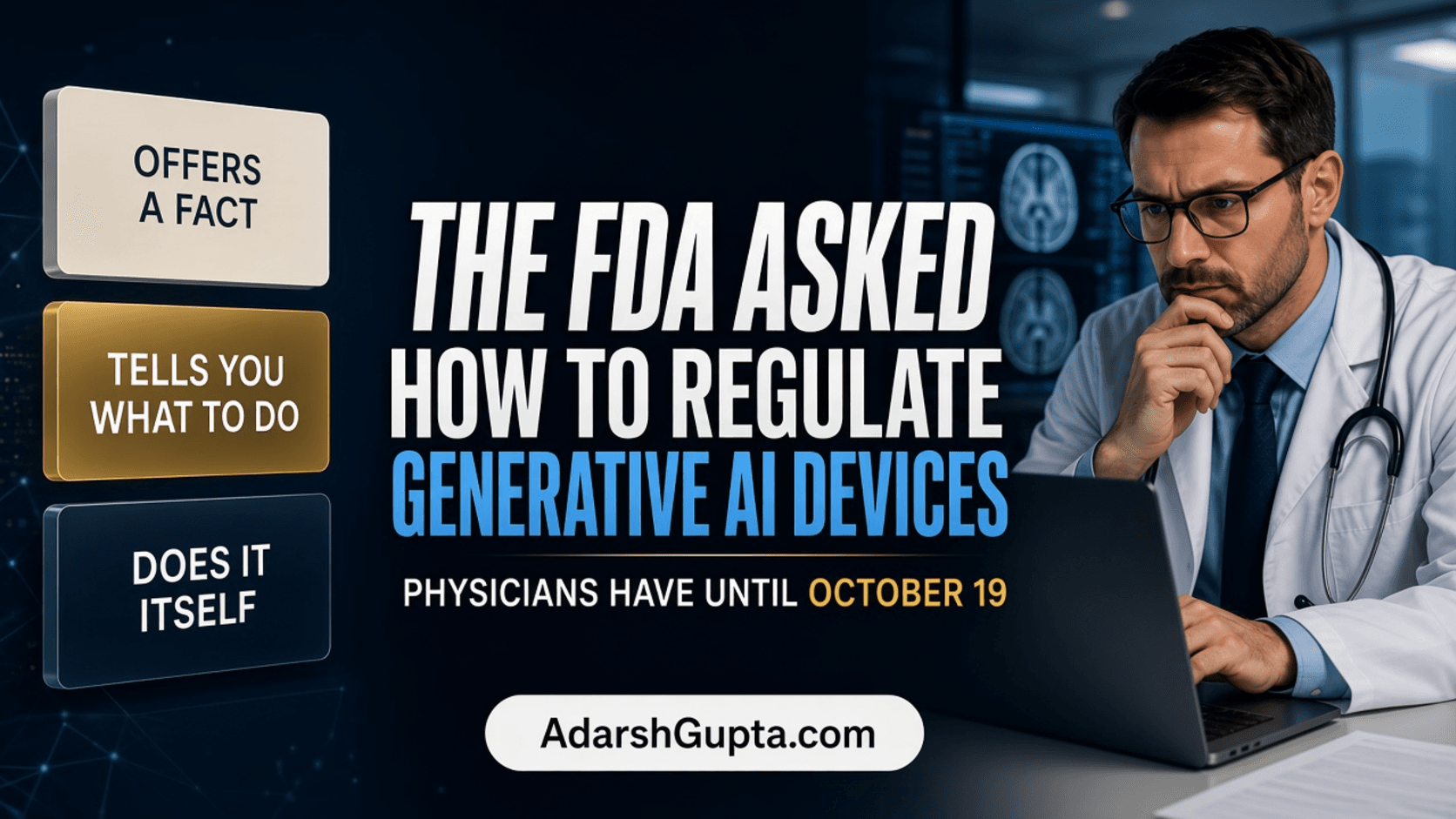
FDA's August 2026 discussion paper asks how to regulate generative AI medical devices. Comments close October 19. Here is what physicians should weigh in on.
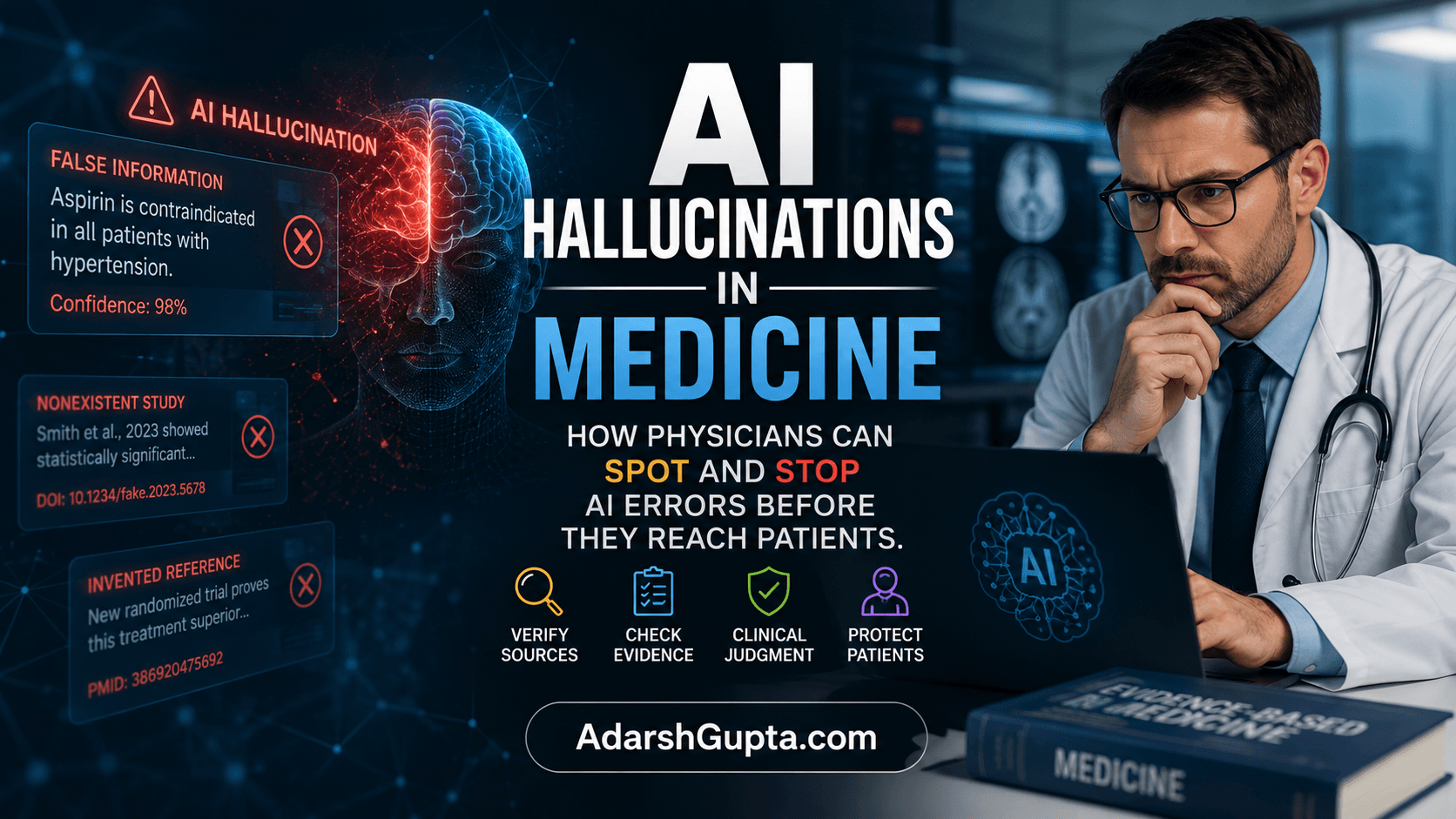
AI tools are entering clinical practice faster than physicians can evaluate them. Here's a practical framework for spotting AI hallucinations before they harm patients - from a physician with 25+ years in practice.

A March 2023 overview of how AI was being discussed in healthcare. Current writing on this site focuses on physician-led evaluation, safety, and behavior change before a health AI product launches.